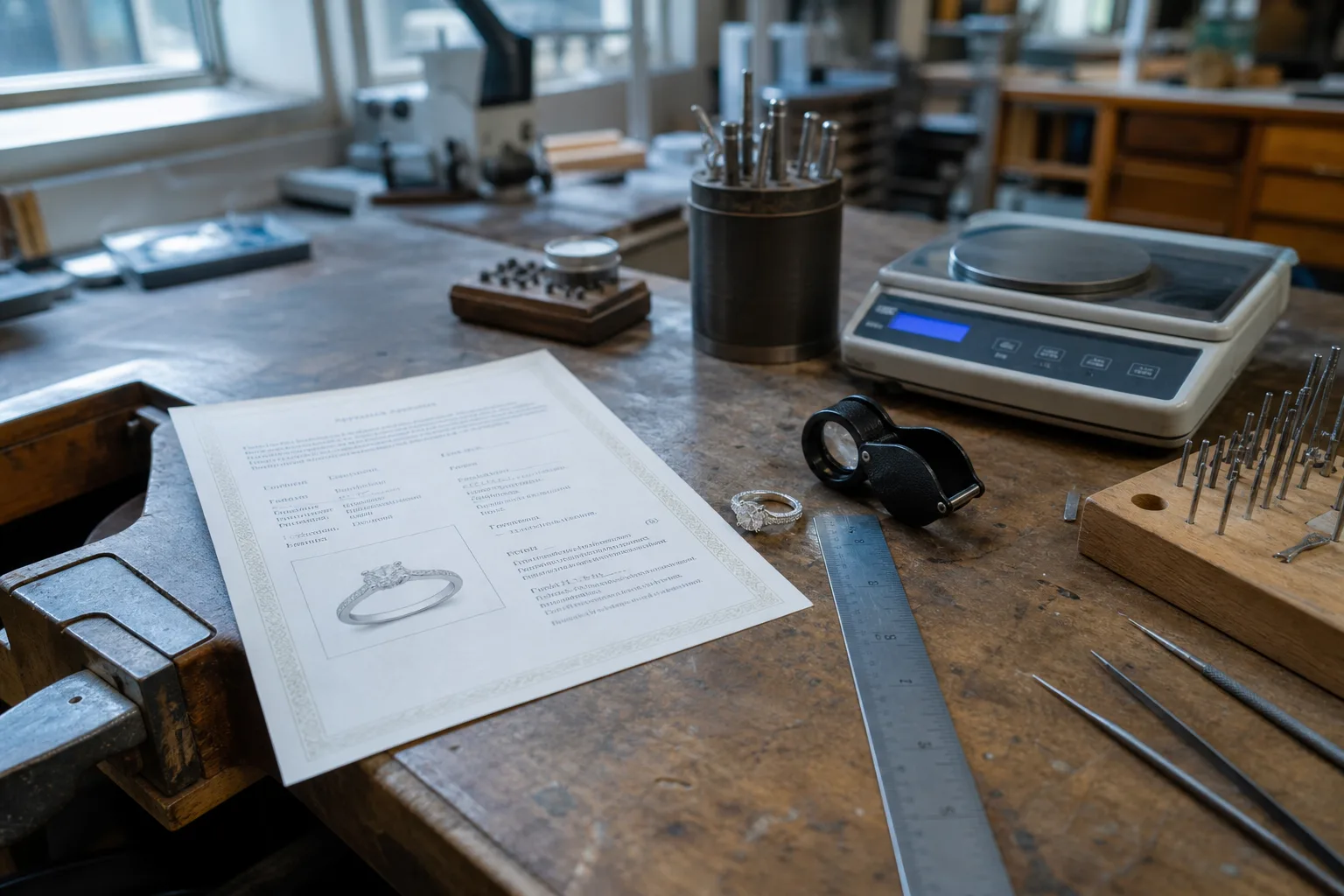
A woman in my neighborhood brought an engagement ring to a jeweler two towns over last spring, mostly because the prongs felt loose. The jeweler tightened them, then asked when the ring had last been appraised. She had a folded sheet from 2016 in a drawer at home, stapled to a receipt. The stone was described accurately. The number at the bottom was not the number the ring would cost to replace, and her insurance rider had been quietly carrying that stale figure forward for years, premium and all.
That gap is the ordinary condition of insured valuables. Not fraud, not negligence. A document written once, filed, and never revisited while the market around it moved.
Start with where the item actually spends its week
Before you think about dollar figures, track the object for seven days. The ring goes to work, comes off at the gym, sits in a dish by the sink, travels in a coat pocket to a wedding in another state. The watch goes into a hotel safe, or doesn't. The inherited brooch never leaves the house and never gets worn either.
This matters because standard homeowners or renters contents coverage treats jewelry differently from a couch. Most policies carry a special limit for theft of jewelry, watches, and precious stones, often a few thousand dollars regardless of how high your overall contents limit runs. Lose a four-figure item in a burglary and you may collect a fraction. Lose it down a storm drain, and unscheduled contents coverage frequently will not respond at all, because mysterious disappearance is not usually a covered peril on the base form.
A scheduled personal property rider, sometimes called a floater, changes both things. It names the item, assigns it an agreed or stated amount, and typically covers loss, damage, and disappearance, often with no deductible. That is what the folded appraisal sheet is for. It is the document that lets an underwriter put a specific object on a specific line.
Why the paper goes stale faster than people expect
An appraisal is a snapshot of replacement cost on a given date in a given retail market. Four things move underneath it. Gold and platinum prices move. Diamond and colored stone wholesale pricing moves, and not always in the same direction as metals. Labor and setting costs move with everything else. And the market for a particular style shifts, so a mounting that was common in 2016 may now require custom work to reproduce.
Insurers know this. Many carriers ask for an updated appraisal on scheduled items every few years, and some will ask sooner for higher-value pieces. If you never send one, two outcomes are possible. On an agreed value schedule, you may be paid the stale figure and left to cover the difference yourself. On a stated value or replacement cost schedule, the carrier may replace the item but will look hard at whether the premium you paid matched the exposure.
It can run the other direction too. Appraisals written at inflated retail figures, sometimes by the same store that sold the piece, leave people paying premium on a number no replacement would ever require. Checking the appraisal protects the claim and the monthly cost at the same time.
How to choose the person who writes the number
This is where the local picture takes over. Appraisers are not licensed the way an electrician is. Anyone can print a letterhead. What separates them is training and independence, and both are checkable in an afternoon.
- Credentials to ask about by name. A Graduate Gemologist diploma from GIA, or membership in an appraisal organization such as the American Society of Appraisers or the National Association of Jewelry Appraisers. Ask what the credential required and when it was last renewed.
- Independence. An appraiser who also wants to sell you a replacement has an interest in the number. A fee-only independent appraiser does not. Many jewelers do good appraisal work; just know which hat is on.
- How the fee is set. Flat per item, or hourly. A fee calculated as a percentage of the appraised value is a conflict you can avoid by walking to the next shop.
- Whether the item stays. Good practice is appraisal while you watch, or a clear intake receipt with the piece described and photographed before it leaves your hands.
Ask for the report to state its purpose. An insurance replacement appraisal, an estate valuation, and a resale estimate produce three different numbers for the same ring, and an insurer wants the first one. The Federal Trade Commission is the agency responsible for how jewelry is described and marketed to consumers, which is why terms on a report such as natural, lab-grown, or treated carry weight and should appear explicitly.
The yearly routine that keeps all of this current
Set one recurring date. Many people use the policy renewal, since the declarations page already arrives that month.
- Pull the declarations page and read the scheduled items list line by line. Confirm every piece is still owned, still in the house, still described correctly.
- Photograph each scheduled item next to a ruler, and store the photos somewhere that is not the house.
- Check the date on every appraisal. Anything older than three to five years goes on the list for re-appraisal, higher-value pieces sooner.
- Call the agent about anything acquired in the past year. A gift, an inheritance, a watch bought secondhand. Unscheduled is where the special limit bites.
- Ask the agent one direct question: if this item disappeared tomorrow with no evidence of theft, does this policy pay, and at what figure.
That last question takes thirty seconds and settles more than the paperwork does.
The woman with the loose prongs had a new appraisal written by an independent gemologist within the month, sent the PDF to her agent, and watched the rider adjust. Total cost was a modest flat fee and one Saturday morning. The ring goes to work, comes off at the gym, and sits in the dish by the sink exactly as it did before, now insured for what it would actually take to replace.