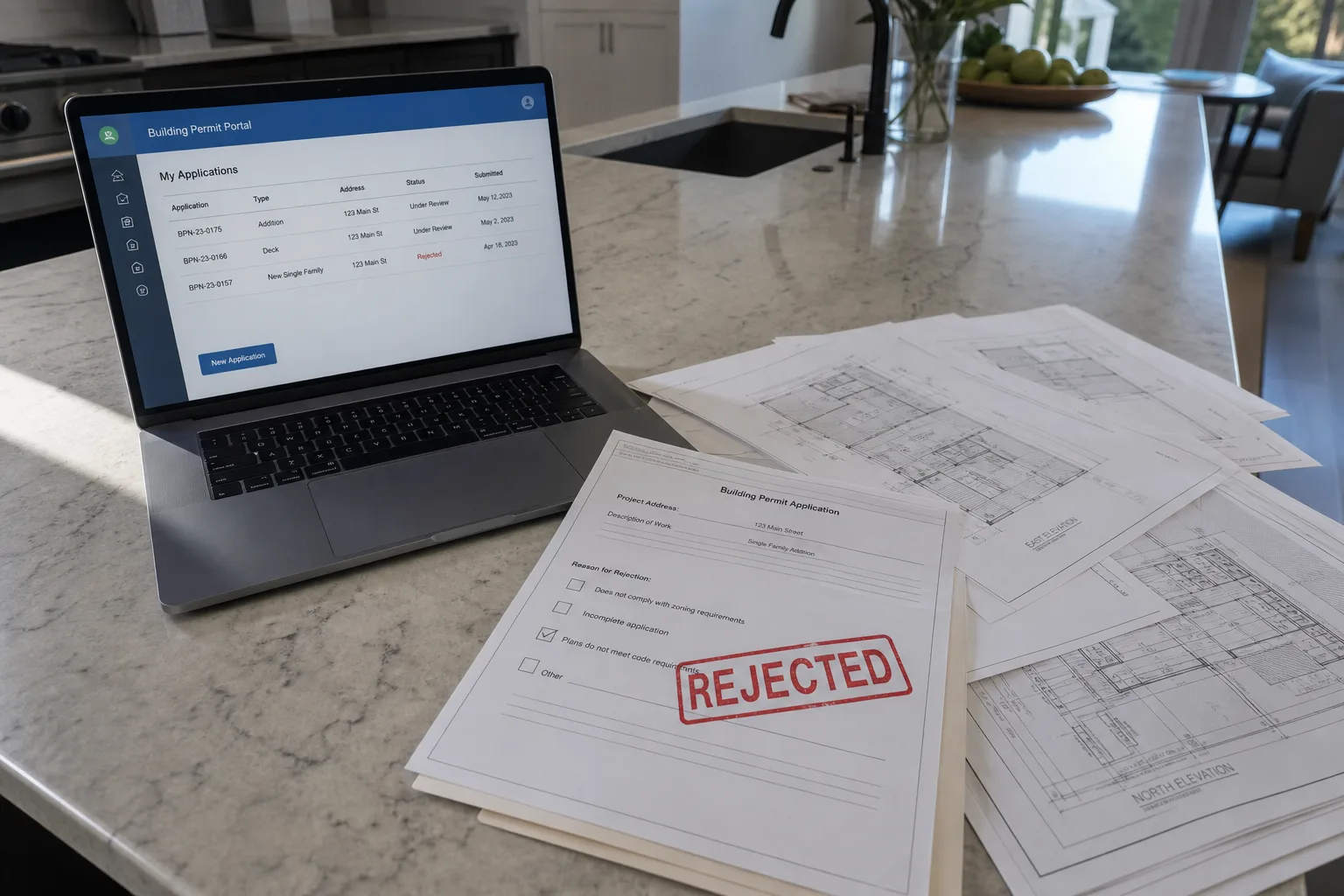
A homeowner in my county hired a structural engineer to sign off on removing a load-bearing wall. The report arrived in two days: eleven pages, a stamped cover sheet, load calculations, a header schedule. It looked better than anything the contractor had produced. The building department rejected it. The beam spec referenced a span table the county had stopped accepting three code cycles earlier, and the engineer had never filed in that jurisdiction. The report was not wrong, exactly. It was just not usable where it needed to be used.
That gap is the whole problem with hiring outside expertise right now, and it has gotten wider in the last few years for reasons that have nothing to do with anyone being lazy.
The assumption is that you are buying knowledge. You are mostly buying accountability
Ask someone why they hired a CPA, an employment attorney, an environmental consultant or a licensed engineer, and the answer is usually some version of: they know things I don't. That was true for a long time. The information was genuinely scarce. It lived in subscription databases, in case files, in the heads of people who had done the work two hundred times.
Most of that information is now a search away. What is not a search away is the part you are actually paying for, which breaks into three pieces.
First, a name on a document that a third party will accept. A stamp, a signature, a license number, a preparer identification number. Somebody who can be held responsible.
Second, a working relationship with the local decision-makers. Not favoritism. Familiarity. Knowing that the plans examiner in your county wants the egress dimension called out on the sheet rather than in a note, because she has kicked back forty submissions for exactly that.
Third, judgment about what to leave out. Anybody can produce a thorough document. Knowing which of the nine possible issues actually matters for your situation is a different skill, and it is the one that saves money.
If you evaluate a candidate on the first piece only, you get the eleven-page report that fails at the counter.
What changed: the output stopped being evidence
Until fairly recently, a well-organized proposal was a reasonable proxy for competence. Producing one took hours, and the hours took experience. Reading the document told you something real about the person who wrote it.
Drafting tools broke that link. A clean memo, a tidy scope of work, a citation-laden summary of a regulation: all of these now take minutes and require no track record. The polish is real. The polish just no longer predicts anything.
Two other shifts landed at the same time. Remote practice went mainstream, so the pool of people who will take your job now includes plenty who have never been to your county and never will. And permitting moved online almost everywhere. Paper counters became portals, and a fair number of jurisdictions now route plan review to a third-party firm rather than doing it in house. That is mostly an improvement. It also means the informal correction loop is gone. Nobody leans over the counter and says the magic words about the span table. You get a rejection code and a resubmittal fee.
So the failure mode changed. It used to be hiring someone underqualified. Now it is hiring someone qualified in general and unqualified for your specific jurisdiction, and not finding out for six weeks.
Four checks, in the order that costs you least
These take under an hour combined and can be run before you sign anything.
- Ask where they have filed, by name. Not "do you work in this area." Ask which building department, which county assessor, which state agency, and when. A person with local history answers in seconds and usually volunteers a staff name or a quirk of the process. A person without it answers in generalities.
- Verify the license yourself, at the state. Every state maintains a searchable license lookup for engineers, contractors, attorneys, accountants and most health professions. Check the number, the status, the expiration and the disciplinary history. Certificates on a wall are not the same as an active license in the state where the work happens.
- Ask what they would leave out. Give them your situation and ask which parts they think are not worth investigating. Good people cut things. They will tell you the soil report is overkill for a deck this size, or that the multistate question does not apply to you. A plausible-but-thin candidate will not cut anything, because deciding what to cut requires knowing what happens if you are wrong.
- Buy a small piece first. A single paid hour, a preliminary review, a feasibility letter. Then judge the work product, not the pitch. This is the only one of the four that costs money, and it is the one that tells you the most.
Where the scope document earns its keep
Once you have picked someone, the leverage moves to what is written down. A usable scope names the deliverable, the jurisdiction it is being prepared for, who pays for resubmittals if it is rejected on technical grounds, and how many revision rounds are included. That last clause is where budgets quietly go.
The Federal Trade Commission oversees how services are advertised to the public, and the general rule it enforces is a useful private standard too: a claim should be substantiated before it is made. Put the substantiation in the contract. Ask for the specific jurisdiction, the specific filing, the specific remedy if it comes back.
The engineer in the first paragraph, incidentally, fixed the report for free once the rejection came through. It took another eleven days. The homeowner had a crew on hold the entire time, and that was the actual cost of the hire.