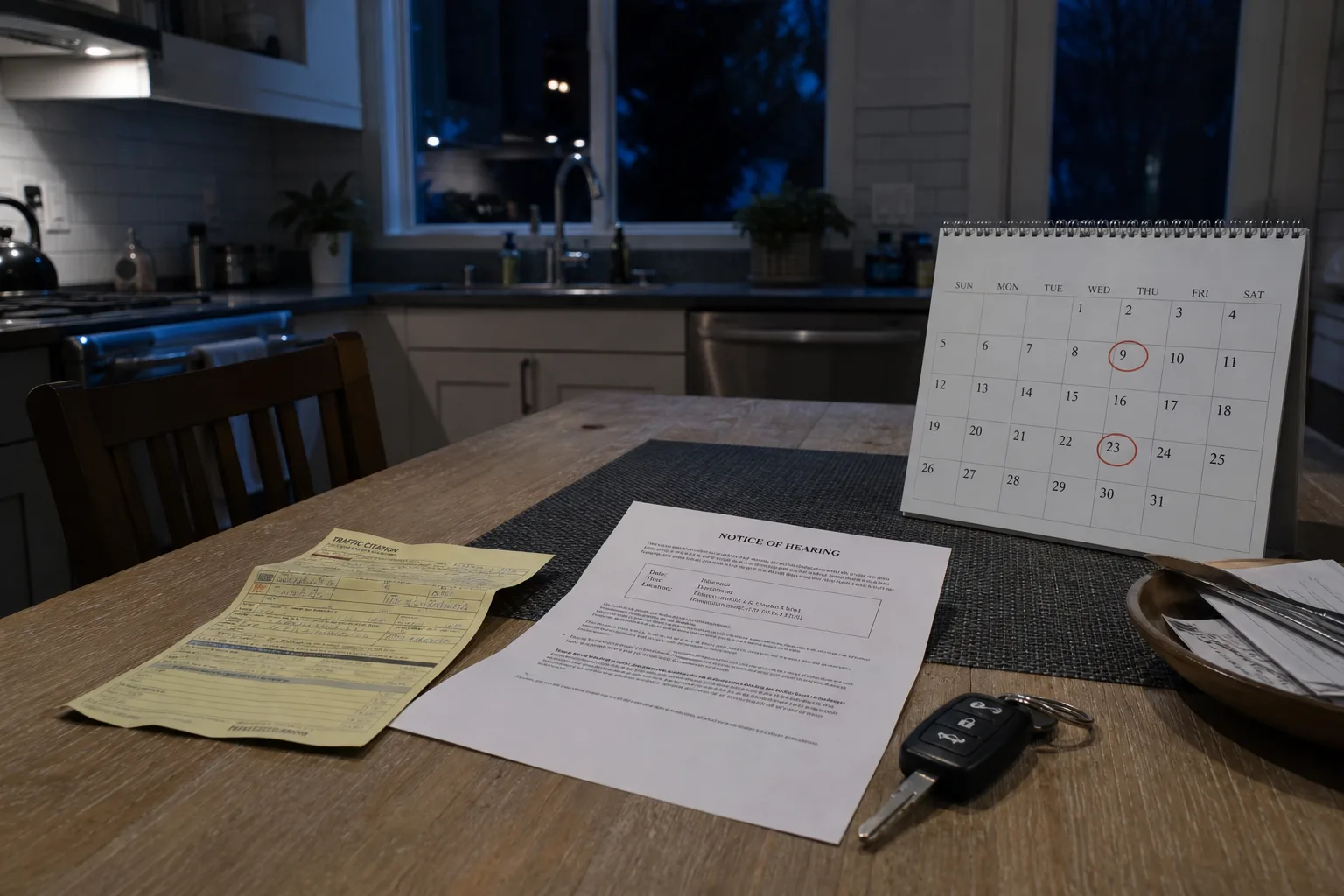
The useful question is not how serious a problem feels. It is whether any piece of paper connected to it contains a date. Ten years ago that distinction was harder to see, because most legal paperwork arrived by mail and looked equally official. Now the mail is thinner, the portals are busier, and the documents that still matter tend to arrive in person, folded, at an inconvenient hour.
Read what you were handed before deciding anything. Not the summary someone gave you at the counter. The actual sentence.
What changed between then and now, in practice
A decade ago, resolving a routine dispute meant a phone call during business hours, a form requested by mail, and a two-week wait to learn whether you had used the right form. The friction pushed people toward hiring someone for problems that did not require it. A landlord withholding a deposit, a billing error, a contractor who stopped answering: all of these got a consultation because the alternative was navigating a records counter in the middle of a workday.
That friction is mostly gone. Court self-help centers publish fillable forms. Small claims filing is often online. Fee waiver applications, name changes, deposit demand letters, and disputes with a debt collector are all documented step by step by courts and consumer agencies at no cost. The week-to-week reality is that a person with an afternoon and a printer can now finish a category of matters that used to require a retainer.
What did not change is the other category. Administrative deadlines still run on their own schedule, silently, whether or not you have opened the envelope. Software made the easy things easier. It did nothing to the clocks.
The paperwork test: does a date appear, and whose date is it?
Sort your problem by document, not by feeling.
- No date anywhere. A dispute with a neighbor, an unpaid invoice, an unanswered warranty claim. Nothing expires next week. Write a dated letter, keep a copy, and give a deadline of your own choosing.
- A date you set. A demand letter, a notice to cure, a request for records. You control the pace. Self-help resources cover this well.
- A date someone else set. A hearing notice, a summons, a response window, an appeal period. Now the clock belongs to an agency or a court, and missing it usually converts a contested matter into a decided one.
That third category is where the money is well spent. It is also where people most often misread what they were given, because two separate proceedings can arise from one incident and only one of them looks like a court case.
One arrest, two proceedings, two calendars
A drunk driving arrest is the clearest ordinary example. The person released the next morning has a citation with a court date on it and, separately, a form concerning their driver's license. The criminal case is handled by a court. The license question is handled by a state licensing agency on its own timetable, with its own request-for-hearing window, and it does not pause while the criminal case proceeds. Impaired driving enforcement standards at the federal level sit with the National Highway Traffic Safety Administration, but the two decisions about you are made by two different bodies in your state, and they are not coordinated for your convenience.
Ten years ago that split existed too. What has changed is how easy it now is to assume the online portal is showing you everything. It shows you one docket. The administrative notice sat in the property envelope with the shoelaces.
This is the situation where the calculation is not close: two proceedings, a short window on one of them, and a license that most households need to keep a job. Someone in that position is looking for a dui lawyer in seattle not for advocacy in the abstract but because the hearing request has to be filed correctly and quickly, and because the criminal case has consequences that outlive the fine.
What a paid hour buys when you do not need full representation
Between doing it yourself and hiring counsel for the whole matter, there is a middle option that barely existed as a normal consumer product a decade ago. Limited scope work, sometimes billed as a single consultation, sometimes as document review, has become routine. It is worth knowing what to ask for.
- Bring every page, including envelopes. The postmark matters more often than people expect.
- Ask which deadlines are running right now and what filing satisfies each one.
- Ask which parts you can competently handle yourself and which you should not.
- Get the answer in writing, even three lines of email.
An hour spent this way converts an unclear situation into a task list. For the letter-and-portal category of problems, that is often all the professional help required.
A working rule for the ordinary week
Most of what arrives in a given month is genuinely handleable: the billing dispute, the deposit, the small contract disagreement, the collection notice from a company you do not recognize. Handle those in writing and keep dates. Reserve the phone call for anything where a government body has given you a window, where a license or a record is at stake, or where a second proceeding might exist that you have not been told about.
The test is legible on the page. Find every date in the documents, note who set each one, and act first on the earliest date you did not choose.